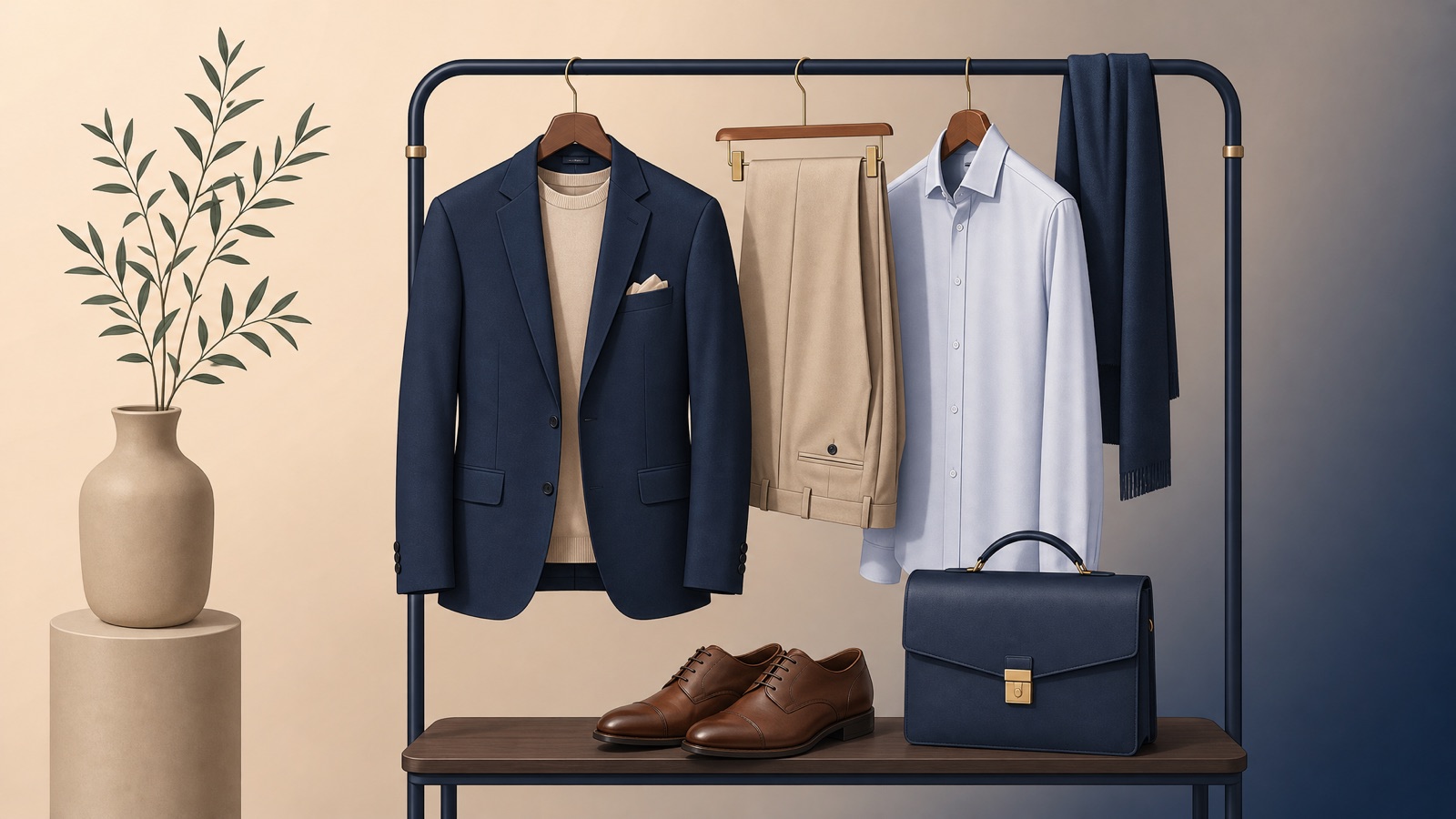
What you wear to an interview won't get you the job, but it can distract from your answers if it's badly off. The simple rule: dress one step more formal than the people who already work there, keep everything clean and comfortable, and avoid anything that draws more attention than you do. Below is how to work out the dress code, outfit ideas for different workplaces, what to wear on video, and the small details people forget.
Step one: find out the dress code
| Where to look | What it tells you |
|---|---|
| The company's careers page and office photos | What people actually wear day to day |
| Employee profile photos | The general level of formality |
| Social media posts from the office | Casual Fridays, team events, uniforms |
| The recruiter | Just ask: "What's the dress code for the interview?" |
Asking the recruiter is completely normal. Many will tell you outright that the team is casual and you don't need a suit.
Outfit ideas by workplace
Formal (law, finance, corporate, some government roles)
- A suit in navy, charcoal or black, or a tailored dress with a blazer
- A plain shirt or blouse in white or a light color
- Polished closed shoes
- Minimal jewellery, a simple watch
- A tie is still common in very traditional settings
Business casual (most offices, healthcare administration, education, marketing)
- Smart trousers, chinos or a knee-length skirt
- A collared shirt, blouse or fine knit sweater
- A blazer you can take off if the room is warm
- Loafers, flats, low heels or clean leather shoes
This is the safest choice when you're not sure.
Smart casual (tech, startups, creative agencies, design studios)
- Dark, clean jeans or chinos without rips
- A plain T-shirt or shirt with a casual jacket or cardigan
- Clean sneakers or casual leather shoes
- One small personal touch is fine (a watch, glasses, a scarf)
Retail, hospitality and food service
- Dress a little smarter than the staff uniform
- Clean trousers or dark jeans and a plain top
- Comfortable, closed shoes, especially if you may be shown around
- For a brand-focused store, wearing a similar style to the brand helps
Trades, warehouse and outdoor jobs
- Clean work trousers or jeans and a collared shirt or plain polo
- Sturdy, clean shoes or boots
- If the interview includes a site visit, ask whether you need safety boots
Video interview outfit
| Do | Avoid |
|---|---|
| Solid, medium colors (blue, green, burgundy, grey) | Tight stripes and small checks, which flicker on camera |
| A top that contrasts with your background | The same color as your wall |
| Proper trousers or a skirt | Pyjama bottoms, in case you need to stand up |
| Simple jewellery | Anything that clinks on the desk |
| Good light on your face | Strong light behind you |
Do a quick test call to see how your outfit and lighting look on screen.
The details that matter
- Fit. Comfortable and not too tight. You'll be sitting for a while.
- Clean and pressed. Check for stains and creases the night before.
- Shoes. Clean and comfortable enough to walk to the office and around it.
- Grooming. Neat hair, clean nails, light or no fragrance.
- A bag or folder. Something simple to carry your resume and notebook.
- Weather. Bring a coat or umbrella so you don't arrive soaked.
- Comfort. If you're not used to heels or a tie, practice wearing them first, or choose something you're comfortable in.
What to avoid
- Clothes that are ripped, see-through or very short
- Large logos or slogans
- Very strong fragrance
- Brand-new shoes you haven't broken in
- Anything you keep adjusting during the interview
- Sunglasses on your head, or headphones around your neck
Second interviews and full-day interviews
For a second interview, match the formality of the first one, or go a little smarter if you're meeting senior people. For a long day with several conversations or a panel interview, choose layers you can adjust and shoes you can stand in for hours. Our guide to how long job interviews last can help you plan.
A quick checklist for the night before
- Outfit chosen, clean and ironed.
- Shoes cleaned.
- Bag or folder packed with resume copies and a pen.
- Weather checked.
- Backup top in case of spills (keep it in the car or bag).
Once the outfit is sorted, spend the rest of your time on what matters most: your answers. See how to ace an interview for the full preparation plan.
Spend your prep time on your answers
Rehearse common questions out loud with YesToTheOffer, using your own resume and the job description, and review your transcript afterward. 30 free minutes, no subscription.