
Mock interviews and real-time interview assistants solve different problems.
A mock interview is practice. It gives you repetition before the real call. A real-time interview assistant supports the actual online interview workflow: the question being asked, your resume context, the role, the coding prompt, and the review afterward.
Most candidates should not choose one forever. They should use each at the right stage.
Move from practice to real interview support
YesToTheOffer helps candidates use real-time transcription, coding support, resume context, private notes, and interview review during the online interview workflow.
Quick answer
Use a mock interview when you need rehearsal, pressure, and feedback before the interview. Use a real-time interview assistant when you need help following the live conversation, organizing context, handling coding prompts, and reviewing what happened afterward.
The best workflow is often:
- Mock interview to expose weak habits.
- Targeted preparation to fix them.
- Real-time assistant for actual online interviews.
- Review after each interview.
What mock interviews are good for
Mock interviews are useful because they create practice pressure. You can test whether your answers work out loud, not just in your notes.
They are especially helpful for:
- First-time interviewers.
- Candidates who ramble.
- Software engineers who need coding pressure.
- Product managers practicing product sense.
- Candidates returning to the job market.
- Anyone who needs feedback from a person or coach.
The limitation is that a mock interview is still a simulation. The real interview may have different follow-ups, company context, interviewer style, or coding constraints.
What real-time interview assistants are good for
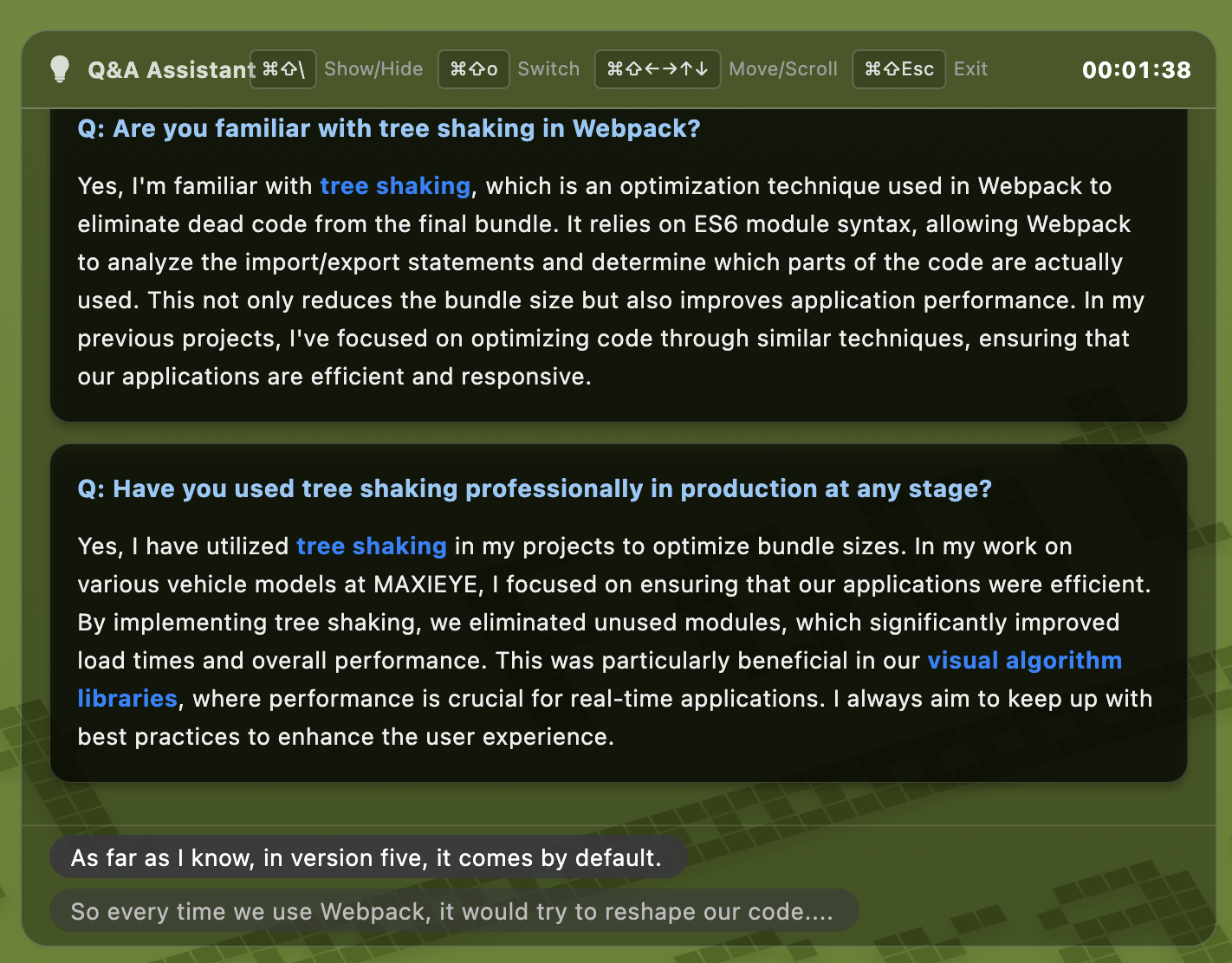
A real-time interview assistant is useful when the interview is happening.
It can help with:
- Transcribing the interviewer question.
- Separating the main ask from follow-up details.
- Connecting the question to your resume or project history.
- Handling coding prompts and edge cases.
- Keeping company and job context nearby.
- Saving interview history for review.
Read the full real-time interview assistant guide if this is your main use case.
Side-by-side comparison
| Feature | YesToTheOffer | Mock interview tools |
|---|---|---|
| Best timing | During the live online interview workflow and afterward for review. | Before the real interview, during practice sessions. |
| Primary value | Keeps live questions, resume context, coding prompts, and review notes organized. | Creates practice pressure and gives feedback before the real call. |
| Coding interviews | Helps parse live prompts, compare approaches, review code, and explain tradeoffs. | Helps practice problem solving under simulated pressure. |
| Behavioral interviews | Connects questions to prepared resume examples and STAR stories. | Helps practice delivery, confidence, and answer length. |
| Review | Preserves interview history and weak-answer notes. | Depends on coach feedback, recording, or platform reports. |
When to start with mock interviews
Start with mock interviews if:
- You have not interviewed in a long time.
- You freeze when someone watches you code.
- You struggle to explain projects out loud.
- You do not know whether your answers are too long.
- You need human feedback.
Mock interviews are also useful for calibration. If three practice interviewers tell you the same thing, believe the pattern.
When to use a real-time assistant
Use a real-time interview assistant when:
- You have real online interviews scheduled.
- You need to track long questions or follow-ups.
- You want resume and job context available.
- You are doing coding, system design, or mixed interview rounds.
- You want a transcript and review loop.
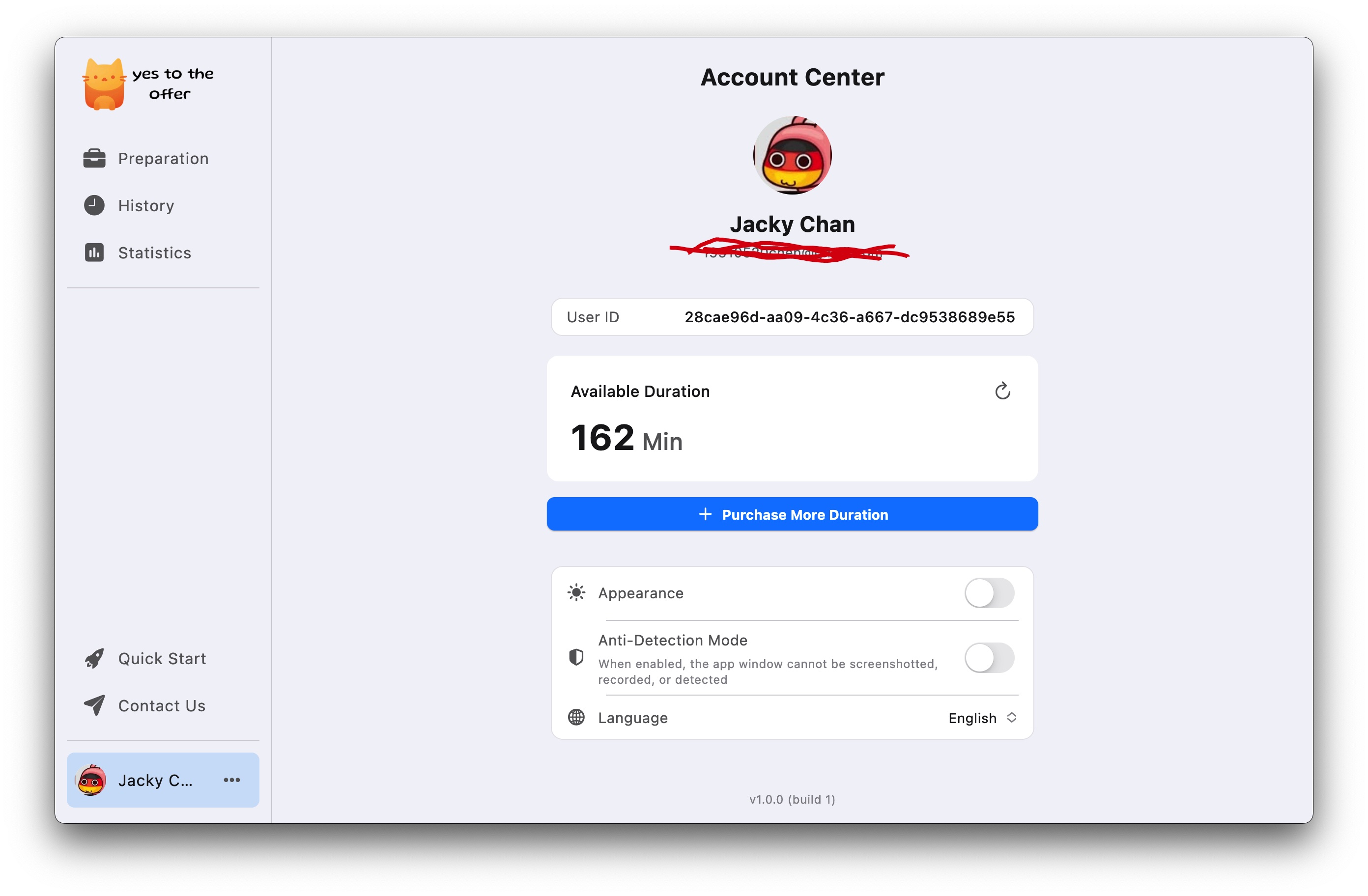
This is where YesToTheOffer fits. It is not just a mock interview tool. It is built around live interview support and post-interview improvement.
Software engineer workflow
For software engineers, the two tools work well together.
Before interviews:
- Use mock interviews to practice pressure.
- Practice core data structures and patterns.
- Review system design fundamentals.
During interview season:
- Use a real-time assistant to follow prompts.
- Keep resume and project context ready.
- Review each interview afterward.
For technical support, read how an AI coding interview assistant works.
Common mistake: using the wrong tool for the stage
Candidates often over-practice and under-review. They do many mock interviews but never build a better story bank. Others rely on live support without preparing enough.
A better approach is staged:
- Practice to find weak spots.
- Prepare targeted examples.
- Use live support to stay organized.
- Review the real interview record.
Responsible use
Use real-time support within interview and platform rules. Mock interviews are always safe as practice. Real-time tools should be used as organization, context, and review support, not as a replacement for skill.
FAQ
What is the difference between a mock interview and a real-time interview assistant?
A mock interview helps you practice before the interview. A real-time interview assistant helps organize live questions, context, and review during or around the actual online interview workflow.
Which one should I use first?
Use mock interviews first if you need practice and feedback. Use a real-time assistant when you have live online interviews and need context, transcription, and review.
Can software engineers use both?
Yes. Mock interviews help expose weak technical habits. Real-time assistants help manage live prompts, coding context, and post-interview improvement.
Do real-time assistants replace preparation?
No. They work best when candidates already prepared examples, coding fundamentals, resume context, and role-specific notes.
Use the right support at the right stage
Use YesToTheOffer when your real online interview needs live question context, coding support, resume examples, and review history.