TL;DR: Administrative assistant interviews test organization, judgment, communication, discretion, and calm execution. Prepare six real stories that show how you prioritize requests, protect details, improve a process, correct mistakes, and support different stakeholders.
Administrative Assistant Interview Questions: 24 Answers to Prepare
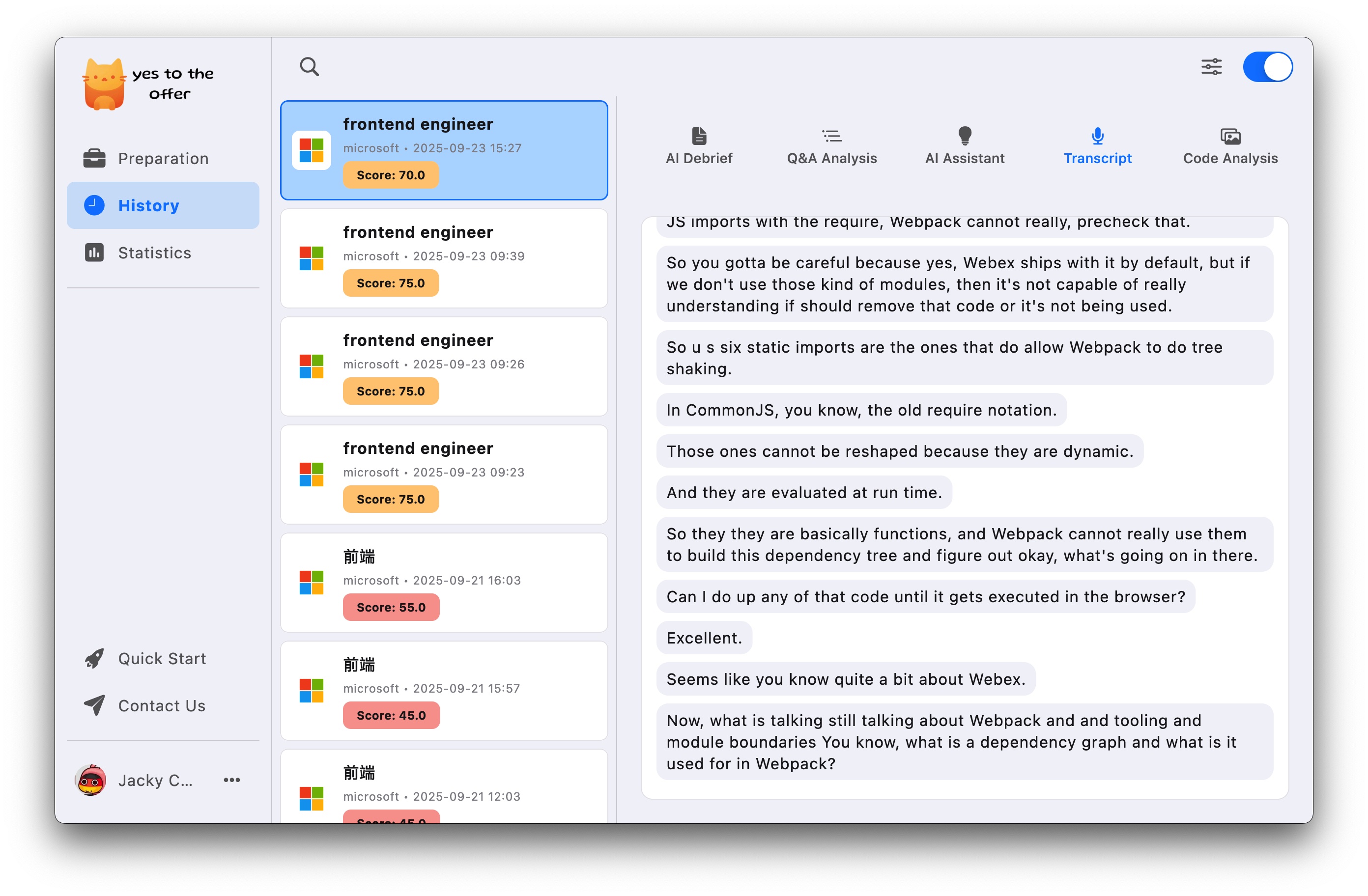
Use your resume, the job description, private notes, real-time support, and post-interview review in one desktop workflow.
Try YesToTheOfferIn this guide
- How do you prioritize requests from two leaders?
- Describe a scheduling conflict you resolved.
- How do you handle confidential information?
- Tell me about an administrative error you caught.
- Which office tools and workflows do you use?
- How do you communicate a delay?
How do you prioritize requests from two leaders?
Administrative assistant interviews test organization, judgment, communication, discretion, and calm execution. Prepare six real stories that show how you prioritize requests, protect details, improve a process, correct mistakes, and support different stakeholders. Start with a one-sentence conclusion, then explain the evidence and tradeoff. Interviewers can follow concise reasoning more easily than a memorized monologue.

Describe a scheduling conflict you resolved.
Build a practice sheet with the question, your first sentence, one supporting example, likely follow-ups, and a short reflection. Rehearse aloud and revise vague claims. Administrative assistant interviews test organization, judgment, communication, discretion, and calm execution. Prepare six real stories that show how you prioritize requests, protect details, improve a process, correct mistakes, and support different stakeholders.
What does a strong answer look like?
Start with a one-sentence conclusion, then explain the evidence and tradeoff. Interviewers can follow concise reasoning more easily than a memorized monologue. Build a practice sheet with the question, your first sentence, one supporting example, likely follow-ups, and a short reflection. Rehearse aloud and revise vague claims. When the interviewer changes a constraint, pause and update the answer. Strong candidates make assumptions visible instead of defending an answer that no longer fits. Review the job description before practice and connect every answer to the role's actual responsibilities. After each rehearsal, note where your conclusion arrived late, where evidence was missing, and which follow-up exposed an assumption. Repeat the answer with fewer words but more concrete detail. A useful answer is not merely polished: it helps the interviewer understand your decision, contribution, and learning.
| Focus | Show | Avoid |
|---|---|---|
| How do you prioritize requests from two leaders? | Start with a one-sentence conclusion, then explain the evidence and tradeoff. Interviewers can follow concise reasoning more easily than a memorized monologue. | Which mistakes should you avoid? |
| Describe a scheduling conflict you resolved. | Build a practice sheet with the question, your first sentence, one supporting example, likely follow-ups, and a short reflection. Rehearse aloud and revise vague claims. | Which mistakes should you avoid? |
| How do you handle confidential information? | When the interviewer changes a constraint, pause and update the answer. Strong candidates make assumptions visible instead of defending an answer that no longer fits. | Which mistakes should you avoid? |
How should you prepare?
- How do you prioritize requests from two leaders?
- Describe a scheduling conflict you resolved.
- How do you handle confidential information?
- Tell me about an administrative error you caught.
- Which office tools and workflows do you use?
- How do you communicate a delay?
Start with a one-sentence conclusion, then explain the evidence and tradeoff. Interviewers can follow concise reasoning more easily than a memorized monologue. Build a practice sheet with the question, your first sentence, one supporting example, likely follow-ups, and a short reflection. Rehearse aloud and revise vague claims. When the interviewer changes a constraint, pause and update the answer. Strong candidates make assumptions visible instead of defending an answer that no longer fits. Review the job description before practice and connect every answer to the role's actual responsibilities. After each rehearsal, note where your conclusion arrived late, where evidence was missing, and which follow-up exposed an assumption. Repeat the answer with fewer words but more concrete detail. A useful answer is not merely polished: it helps the interviewer understand your decision, contribution, and learning.
Which mistakes should you avoid?
- Start with a one-sentence conclusion, then explain the evidence and tradeoff. Interviewers can follow concise reasoning more easily than a memorized monologue.
- Build a practice sheet with the question, your first sentence, one supporting example, likely follow-ups, and a short reflection. Rehearse aloud and revise vague claims.
- When the interviewer changes a constraint, pause and update the answer. Strong candidates make assumptions visible instead of defending an answer that no longer fits.
Start with a one-sentence conclusion, then explain the evidence and tradeoff. Interviewers can follow concise reasoning more easily than a memorized monologue. Build a practice sheet with the question, your first sentence, one supporting example, likely follow-ups, and a short reflection. Rehearse aloud and revise vague claims. When the interviewer changes a constraint, pause and update the answer. Strong candidates make assumptions visible instead of defending an answer that no longer fits. Review the job description before practice and connect every answer to the role's actual responsibilities. After each rehearsal, note where your conclusion arrived late, where evidence was missing, and which follow-up exposed an assumption. Repeat the answer with fewer words but more concrete detail. A useful answer is not merely polished: it helps the interviewer understand your decision, contribution, and learning.
How can YesToTheOffer support this workflow?
Use your resume, the job description, private notes, real-time support, and post-interview review in one desktop workflow. Start with a one-sentence conclusion, then explain the evidence and tradeoff. Interviewers can follow concise reasoning more easily than a memorized monologue. Build a practice sheet with the question, your first sentence, one supporting example, likely follow-ups, and a short reflection. Rehearse aloud and revise vague claims. When the interviewer changes a constraint, pause and update the answer. Strong candidates make assumptions visible instead of defending an answer that no longer fits. Review the job description before practice and connect every answer to the role's actual responsibilities. After each rehearsal, note where your conclusion arrived late, where evidence was missing, and which follow-up exposed an assumption. Repeat the answer with fewer words but more concrete detail. A useful answer is not merely polished: it helps the interviewer understand your decision, contribution, and learning.
In this guide: behavioral interview ai assistant, resume based interview answer assistant, star interview answer generator.
How should you use AI responsibly?
Follow the employer's interview and assessment rules. Use AI to organize authentic evidence, practice reasoning, and review your performance—not to misrepresent skills.
Frequently asked questions
FAQ
How many examples should I prepare?
Prepare several versatile examples and map each one to a different competency. Depth and truthful detail matter more than memorizing many scripts.
How do you prioritize requests from two leaders?
Administrative assistant interviews test organization, judgment, communication, discretion, and calm execution. Prepare six real stories that show how you prioritize requests, protect details, improve a process, correct mistakes, and support different stakeholders.
Should I memorize answers?
No. Memorize evidence and a flexible structure, not exact wording. This keeps the answer natural and responsive to follow-up questions.
Can I use notes during an online interview?
Follow the employer's interview and assessment rules. Use AI to organize authentic evidence, practice reasoning, and review your performance—not to misrepresent skills.
How can AI help me prepare?
Use your resume, the job description, private notes, real-time support, and post-interview review in one desktop workflow.
Turn your own experience into clear, relevant interview answers.
Use your resume, the job description, private notes, real-time support, and post-interview review in one desktop workflow.
Try YesToTheOffer